
What’s the Difference Between Top-Mount and Throat Dampers?
When you think about your fireplace, the damper probably isn’t the first thing that comes to mind. But this small, albeit important piece of equipment has a big job. Not only does it control airflow and keep outdoor elements from entering your home, it also helps to conserve energy when the fireplace isn’t in use. The two most common styles are throat dampers and top-mount dampers. While both serve the same purpose, the differences in design, efficiency, and overall performance are worth noting.
 Throat Dampers
A throat damper is the traditional style, installed just above the firebox at the “throat” of the chimney.
Pros:
- Convenient location – The handle is right inside the firebox, making it easy to open and close it before starting a fire.
- Durability – It’s typically made from cast iron or steel, so throat dampers can last many years with proper care.
- Traditional look – It fits the original design of many older fireplaces, making it appealing for restorations.
- Widely available – Replacement parts are easy to find since they’ve been used for decades.
Cons:
- Leaky seal – Metal against metal rarely creates a tight closure, so drafts and energy loss are unfortunately common.
- Prone to wear – While they’re durable, with exposure to heat and smoke, they can still warp, rust, or crack.
- Limited protection – They don’t stop rain, debris, or animals from entering the chimney.
- Energy inefficiency – Conditioned air often escapes up the chimney, even when the damper is closed.
Top-Mount Dampers
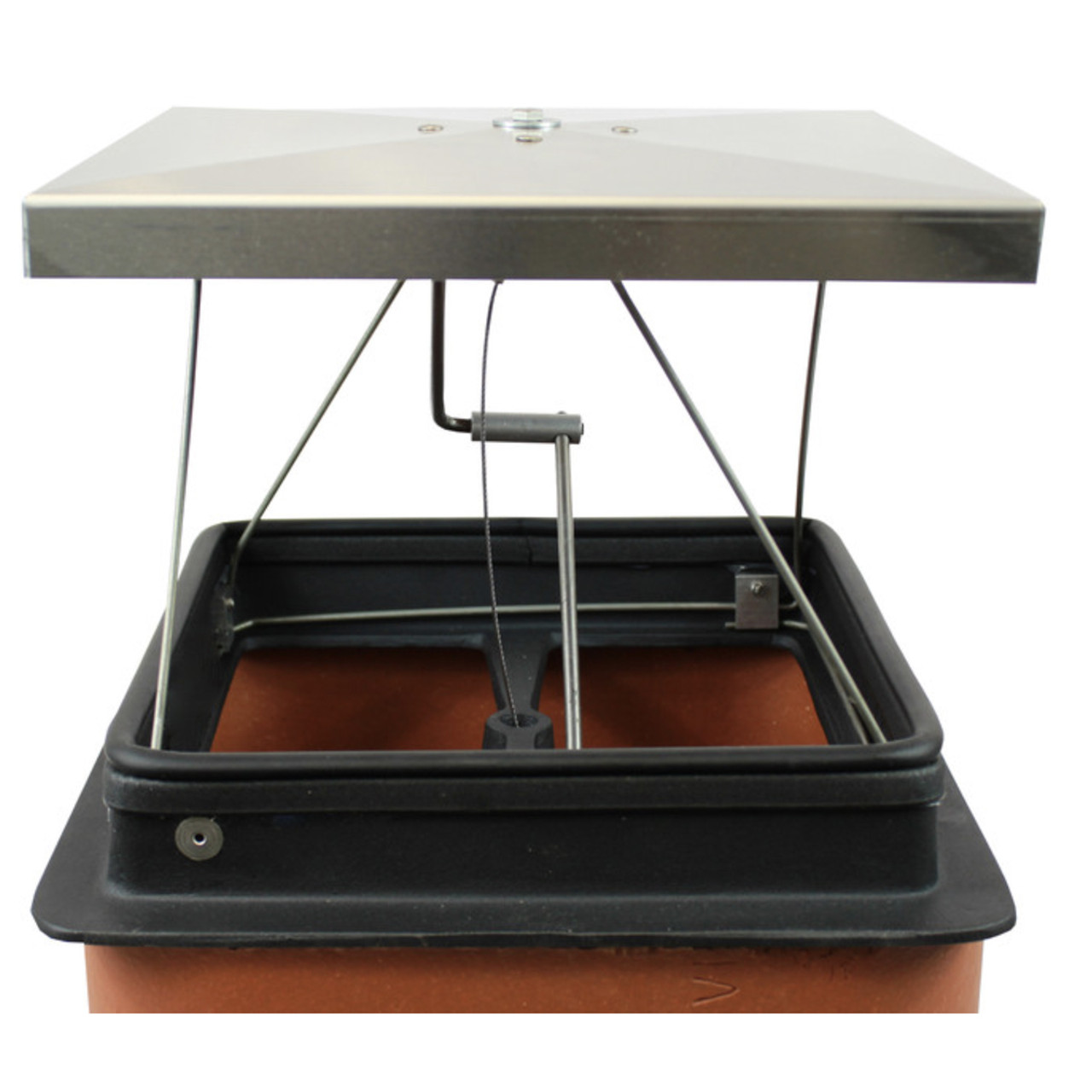
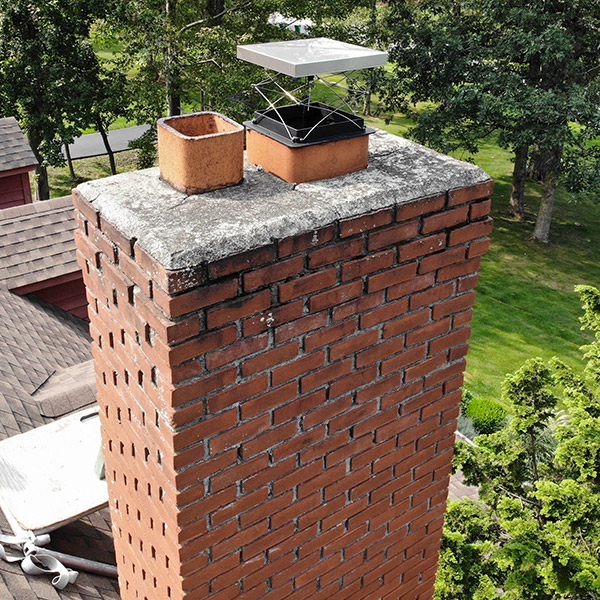
A top-mount damper, as the name suggests, is installed at the very top of the chimney flue and operated by a cable or chain that drops down to the fireplace.
Pros:
- Tight seal – Usually fitted with a rubber gasket, so it closes snug to keep air in and drafts out, better than throat dampers.
- Energy savings – By sealing at the top, it prevents heated or cooled air from escaping.
- Extra protection – Doubles as a chimney cap, keeping out rain, snow, leaves, and even animals.
- Longevity – Located away from direct flames, so it’s less likely to warp or rust.
- All-in-one solution – Reduces the need for a separate chimney cap.
Cons:
- Installation complexity – Must be mounted at the top of the chimney, which often requires professional help.
- Upfront cost – More expensive initially than a simple throat damper.
Making the Right Choice
Both types of dampers are designed to keep your fireplace safe and functional, but their pros and cons highlight several differences. Throat dampers are straightforward, traditional, and easy to use, but they can be inefficient and less protective. Top-mount dampers, on the other hand, are great at sealing, improving energy efficiency, and keeping your chimney protected from the elements, though they come at a higher initial cost.
In short, if energy savings and long-term performance are priorities, a top-mount damper is usually the better investment. If maintaining a traditional setup is more important, a throat damper may still meet your needs.
In Need of Professional Chimney Help? Look No Further
If you’re in the Burlington area, call Burlington Fireplace to schedule an appointment for your annual chimney inspection or any other chimney needs. We provide service to customers throughout southern Wisconsin and northern Illinois. No matter if you’re looking to install a new fireplace or schedule maintenance, we can help.