
Reasons Your Fireplace Smells Bad
It’s normal to catch a faint smell of smoke during or just after a fire, odors that hang around much longer can signal that something’s off. The good news is, most fireplace smells have straightforward causes and can be addressed simply through routine care. Let’s look at some of the most common reasons your fireplace might be giving off unpleasant odors.
 The Hidden Buildup of Creosote
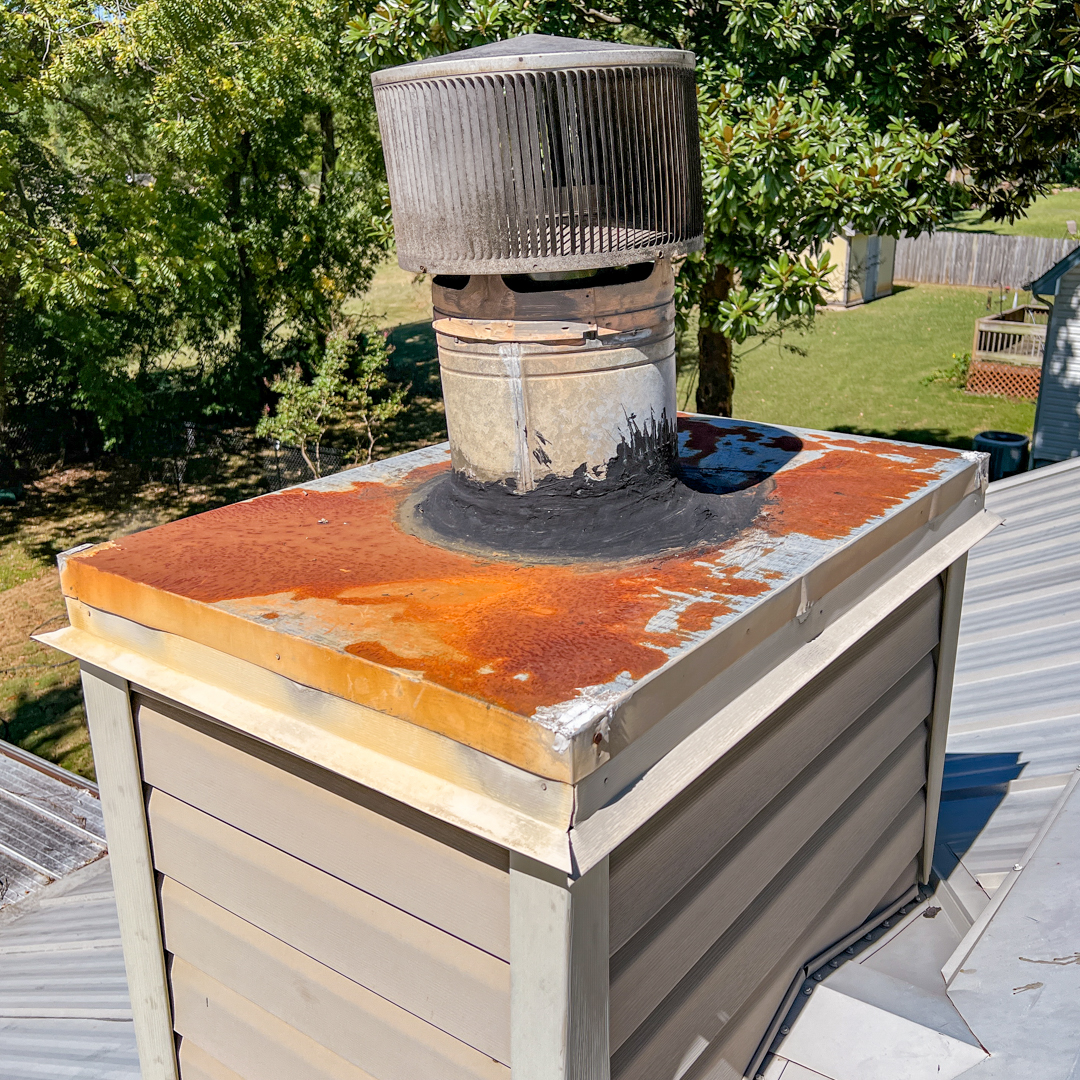
One of the main culprits behind chimney odors is creosote. This dark, tar-like residue forms naturally whenever you burn wood. A little buildup is normal, but when too much collects, it produces a smoky odor that’s tough to ignore. Even more concerning, creosote is highly flammable and can pose a fire risk if left unchecked. That’s why the National Fire Protection Association (NFPA) recommends having your chimney inspected and cleaned at least once a year. Regular maintenance not only improves safety but also keeps those acrid smells from creeping into your living space.
Residual Ashes
It’s easy to forget about ashes once a fire is out, but letting them sit too long can contribute to lingering smells. A quick weekly cleanout is usually enough to stay ahead of the problem. Just be sure the ashes are completely cooled before removal. If you garden, wood ash can actually be used as a soil booster that adds nutrients to help plants grow.
Debris That Finds Its Way In
Another common source of odors is outside debris that ends up inside your chimney. Leaves, twigs, or even blown trash can get caught if your chimney cap isn’t secure. To avoid this problem, make sure your firebox is cleared of any stray material and schedule a professional cleaning to handle the hard-to-reach areas.
Water-Related Smells
Water can seep in through cracks in the mortar or damaged bricks, leading to slow but steady deterioration. On the outside of the chimney, you may notice white streaks or staining (known as efflorescence), which is a clear sign that water is present. Inside, leaks can cause dark spots, crumbling masonry, or that unmistakable musty odor. This moisture can also create persistent musty smells.
Critters Looking for Shelter
Sometimes, the smell can be related to uninvited guests. Birds, squirrels, and other small animals often see chimneys as a warm, safe place to nest. Unfortunately, their droppings, nesting material, or even the animals themselves can leave behind a strong odor. A sturdy, well-fitted chimney cap is the best prevention.
 Keeping Your Fireplace Fresh Year-Round
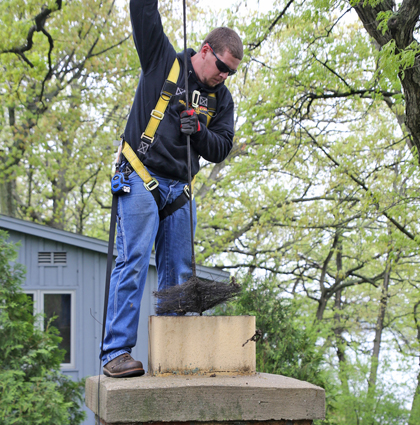
A smelly fireplace is more than just a nuisance; it’s often a sign of buildup, damage, or unwanted visitors. Fortunately, regular upkeep solves most problems before they start. By scheduling professional inspections, cleaning out ash, watching for water damage, and making sure your chimney cap is secure, you’ll keep your fireplace safe, efficient, and odor-free.
If you’re in the Burlington area, call Burlington Fireplace to schedule an appointment for your annual chimney inspection or any other chimney needs. We provide service to customers throughout southern Wisconsin and northern Illinois. No matter if you’re looking to fix a bad smelling chimney or schedule regular maintenance, we can help.