
“Freeze-Thaw” Warning: January’s Silent Killer
Wisconsin’s January weather is turbulent and unpredictable. One day may be mild and rainy, while the next drops below freezing without warning. This constant back-and-forth creates a potentially damaging cycle known as the freeze-thaw cycle. What may start as a minor moisture issue can quickly develop into a serious structural problem if left unaddressed.
How the Freeze-Thaw Cycle Causes Damage
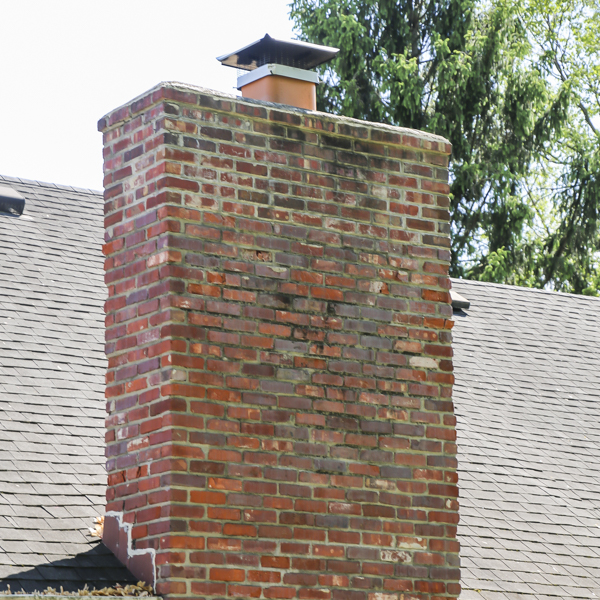
Over time, chimneys naturally begin to wear down. Even hairline cracks in brick or mortar can allow water to seep inside. During rainy or melting conditions, moisture enters these tiny openings and lingers. When temperatures drop overnight, that trapped water freezes and expands. As temperatures rise again, the water thaws and the masonry contracts. This repeated expansion and contraction causes cracks to widen and damage to worsen with each cycle.
Why January Is the Most Dangerous Month
By January, winter has fully settled in. While below-freezing temperatures are common, brief thaws still occur. Even daytime sun followed by overnight cold can be enough to trigger the freeze-thaw cycle. This is also the time of year when homeowners use their fireplaces most, yet schedule fewer inspections. Months can pass before a chimney professional reevaluates the structure, allowing damage to progress throughout the season quietly.
Common Signs of Freeze-Thaw Damage
There are several warning signs chimney professionals look for when assessing freeze-thaw damage, including:
- Spalling, or crumbling and flaking bricks
- Deteriorating mortar joints
- Efflorescence (white staining) on masonry
- Rusted components such as dampers, firebox parts, or chimney caps
- Musty odors or water stains near the fireplace inside the home
If you notice any of these signs, it’s best to schedule an inspection sooner rather than later.
Why Ignoring Freeze-Thaw Damage Gets Expensive
When freeze-thaw damage is left unchecked, minor issues can quickly turn into major repairs. Tiny cracks can turn into large gaps after just a few cold snaps. Once damage progresses, water may reach the flue liner or even interior walls. What could have been a minor repair can turn into a complete chimney rebuild if left untreated.
How to Protect Your Chimney & Fireplace
The best defense against freeze-thaw damage is staying proactive. Annual inspections allow chimney professionals to identify problems early and recommend solutions such as masonry waterproofing. Repairs to chimney caps or crowns can also prevent water from entering in the first place.
Call Burlington Fireplace for Service Today
Burlington Fireplace’s experienced team is here to help protect your home. With over 30 years of experience, we’re a trusted resource for fireplace and chimney services. Our professionals take the time to walk you through your options so you can make informed decisions with confidence. Let Burlington Fireplace handle the details—so you can enjoy your home safely and comfortably.