
What Type of Damper is Best? Pros and Cons of Each Type
Many homeowners know about the different parts of a chimney, but don’t think much of them until something goes wrong. A chimney damper, for example, is often overlooked but plays an important role in airflow control, thereby contributing to energy efficiency. Old or broken dampers could be costing you money due to drafts and heat loss. Even minor inefficiencies in a chimney system can lead to noticeable energy loss over time. Understanding damper types can help you make the best decision for your home.
 What is a Chimney Damper?
Simply put, a chimney damper is a movable plate that opens and closes your chimney flue. This mechanism controls airflow whether the fireplace is in use or not. It helps keep your home warm in winter and cool in summer. There are different types, each designed to do this in its own way. Let’s take a closer look at the two different types of dampers available.
Throat Dampers: The Traditional Option
The traditional throat damper is found just above the firebox and is most common in older fireplaces. There are a few advantages to this type—it’s typically built-in and standard in many existing fireplaces. It’s also straightforward to use via a lever. However, they sometimes have trouble sealing tightly, as they can warp or rust over time. Because of this, it’s a bit less energy efficient.
Top-Mount Dampers: A Modern Upgrade
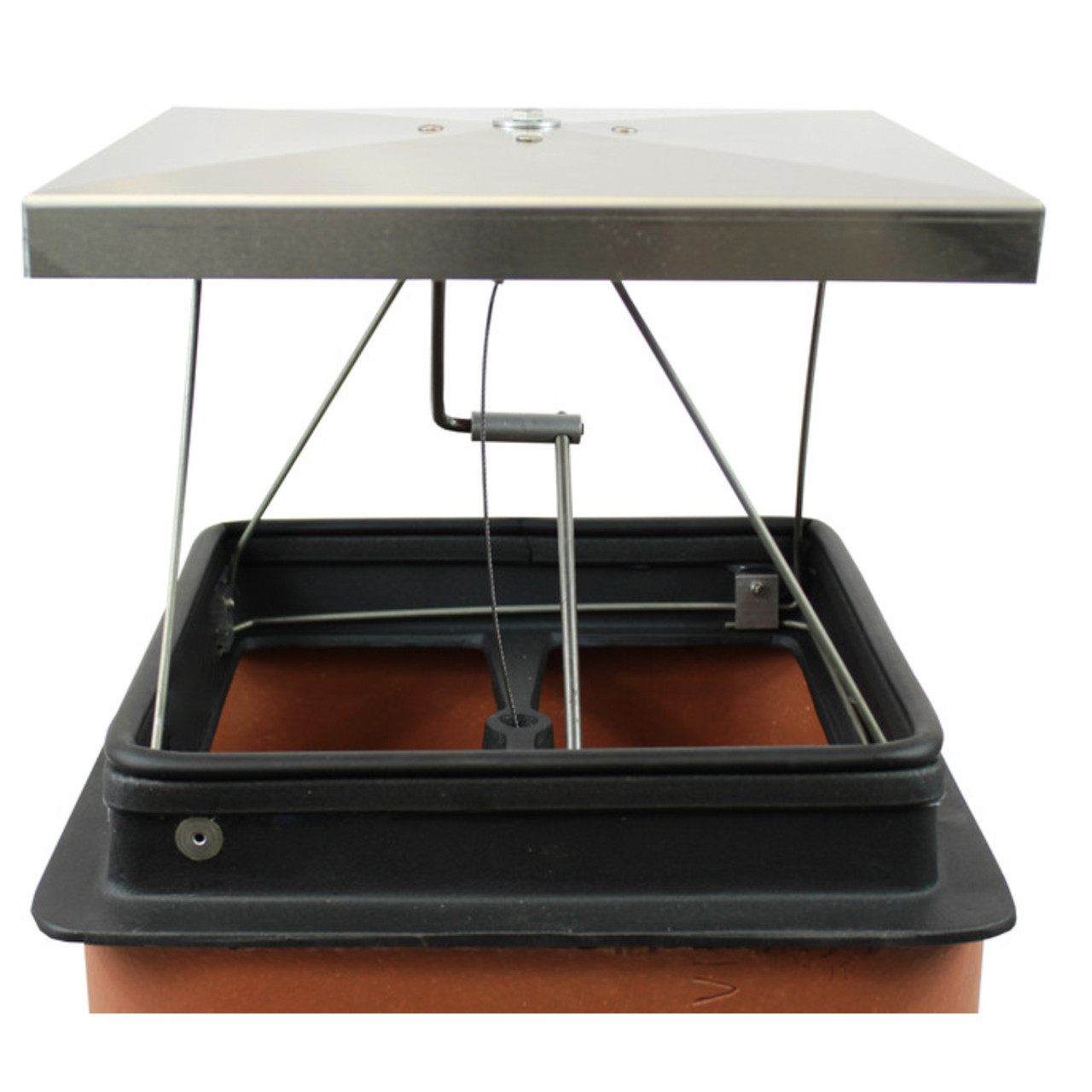
The modern answer to traditional dampers is one installed at the top of the chimney. It seals tightly like a cap when closed. Not only does this improve energy efficiency, but it also helps keep moisture, debris, and animals out. On top of that, it tends to have a longer lifespan than throat dampers. The trade-off, however, is the higher upfront cost and the need for professional installation.
Throat vs Top-Mount: Key Differences
When comparing damper types, a few key differences stand out. Top-mount dampers are installed at the top of the chimney and create a tighter seal, while throat dampers sit lower and may allow small amounts of air through. This impacts overall energy efficiency and protection from moisture, debris, and animals. While top-mount options typically cost more upfront, they often provide better long-term value.

Which Damper Is Best for Your Home?
Understanding the pros and cons doesn’t automatically make the choice clear. The final answer comes down to three things: budget, current damper condition, and long-term goals. While the top-mount offers the best overall performance, a throat damper may be sufficient if it’s in good condition.
Making the Right Choice
A properly functioning damper is a must for any active fireplace. It may be a small component, but it has a big impact on comfort and efficiency. But how you approach it depends on your home. Our experienced team at Burlington Fireplace can help homeowners determine the best solution for their specific setup and needs.